
BALANCE DIET

A balance diet refers to the food provide the balance amount of all the nutrients the body needs to function properly. It includes high Calories, Macronutrients like Carbohydrates, Protein, Fat and Micronutrients like Vitamins and Minerals. In balance diet process it is necessary to avoid overconsumption of any particular nutrients. In other word it can say that balance diet is a way of eating that provides all essential nutrients without overeating.
COMPONENS OF A BALANCE DIET
Carbohydrates
Carbohydrates are an essential part of a healthy diet as they provide the body with its primary source of energy. When consumed, carbohydrates are broken down into glucose, which fuels the brain, muscles and other vital organs. They help to maintain proper body functions, especially during physical activity and mental tasks. Healthy sources of carbohydrates, such as whole grains, fruits, vegetables and legumes, are also rich in fiber, which supports digestion, regulates blood sugar levels, and helps control cholesterol. Including the right amount of carbohydrates in the diet promotes overall well-being and supports long term health.
Protein
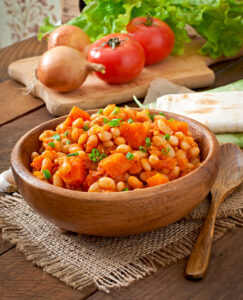
Protein is essential for good health because it helps build and repair the tissues of body, including muscles, skin and organs. It plays a key role in producing enzymes, hormones and other body chemicals that support vital functions. Consuming enough protein boosts the immune system, supports muscle growth and recovery and helps to maintain a healthy weight by keeping you full longer. It is especially important for growing children, athletes and people recovering from illness or injury. Good sources of protein include eggs, dairy products, meat, fish, beans and nuts. Including protein in your daily diet promotes overall strength, energy and wellness.
Fat
A moderate amount of fat is essential for good health. Healthy fats, such as those found in nuts, seeds, avocados, fish and olive oil, provide energy, support cell growth and help the body absorb important vitamins like A, D, E and K. They also play a key role in hormone production and brain function. However, it is important to avoid trans fats and limit saturated fats, which can increase the risk of heart disease. Including the right kind of fats in a balanced diet helps maintain overall health and supports the body’s natural functions.
Vitamin and minerals
Vitamins and minerals are essential nutrients that play a vital role in maintaining good health and overall well-being. They support the body’s immune system, help in the proper functioning of organs, promote growth and development, and aid in the repair of tissues. For example, vitamin C boosts immunity and helps heal wounds, while vitamin D strengthens bones by helping the body absorb calcium. Minerals like iron are crucial for making red blood cells, and potassium helps regulate blood pressure. A balanced diet rich in fruits, vegetables, whole grains, and dairy ensures the body gets an adequate supply of these nutrients to stay healthy and active.
Fiber
Fiber is essential for good health as it aids in proper digestion and helps prevent constipation by adding bulk to the stool. It helps control blood sugar levels by slowing the absorption of sugar, which is especially beneficial for people with diabetes. Fiber also lowers cholesterol levels, reducing the risk of heart disease. Including enough fiber in your diet can also promote a feeling of fullness, which helps in maintaining a healthy weight. Good sources of fiber include fruits, vegetables, whole grains, legumes, and nuts. Regular intake of dietary fiber supports overall digestive health and contributes to long-term well-being.
Water
Water is essential for good health as it plays a vital role in nearly every function of the body. It keeps the body hydrated, helps in digestion, regulates body temperature, and supports the proper functioning of organs. Drinking enough water daily flushes out toxins, improves skin health, and boosts energy levels. It also helps in maintaining a healthy weight by promoting fullness and reducing the chances of overeating. Staying well-hydrated is one of the simplest and most effective ways to support overall physical and mental well-being.
Tips for Balance Diet
- Drink Enough Water.
- Avoid excessive sugar, salt and saturated fats.
- Eat a variety of foods.
- Include fruits and vegies (At least 6 serving per day).
- Choose whole grains over refined grains.
Diet Chart of Balance Diet
|
Breakfast |
Lunch |
Dinner |
Snacks |
|
Whole Grain, Toast, Boiled egg, Fruit, Juice and Milk |
Rice, Roti, Dal, Vegetables, Salad And Curd |
Chapati, lean Meat or Paneer, Cooked Vegetables |
Nuts, Fruits, Yogurt |